Anethol

October 11, 2011 in Plants

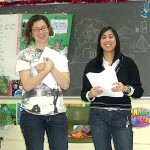
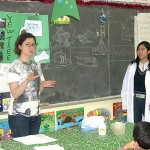
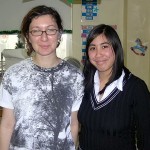
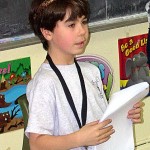
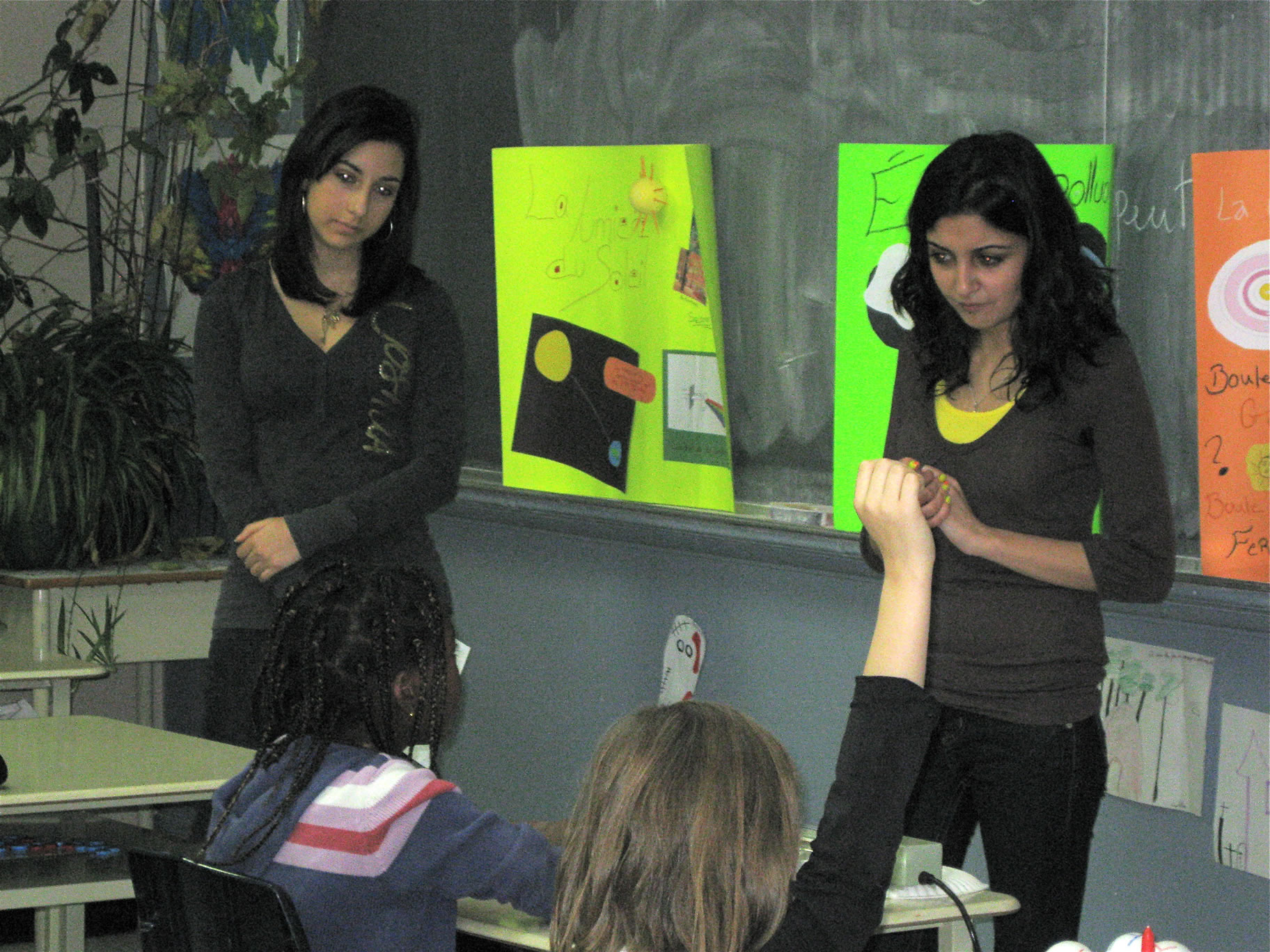
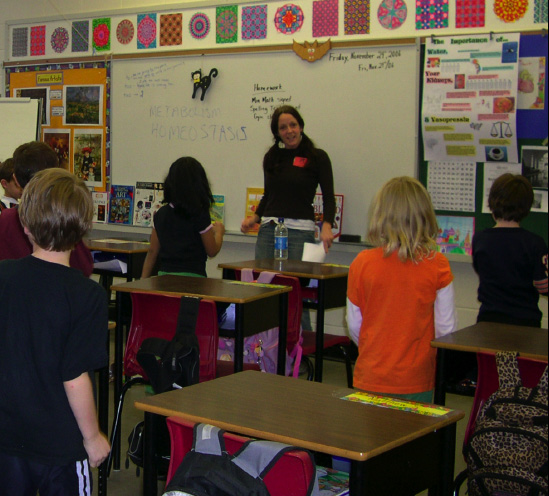
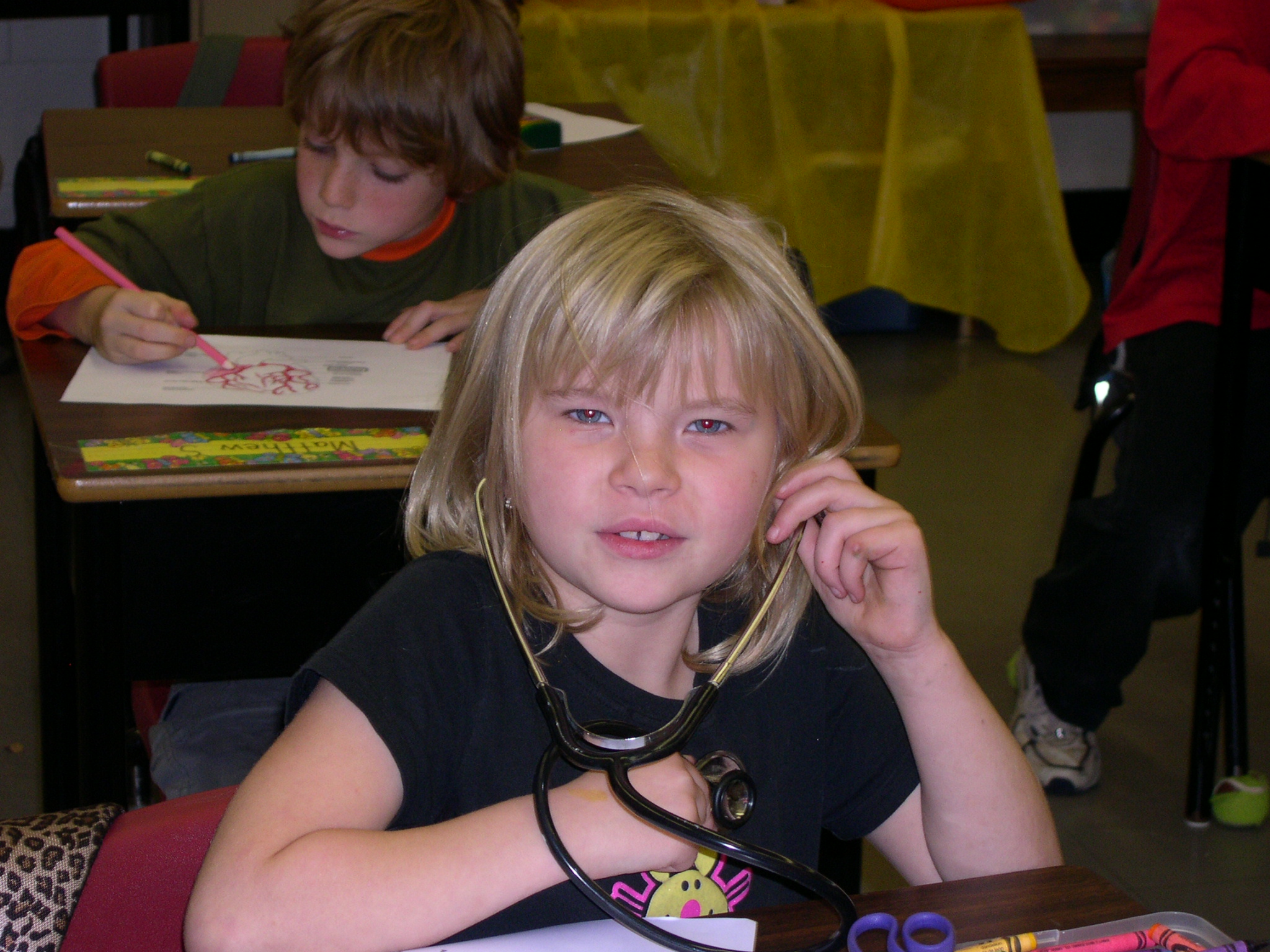
On Wednesday, November 26th, 2008, the students in Mrs Shuster’s third grade class at École F.A.C.E. School continued to extract natural products from plants as university students Elisabeth Nguyen (B.Sc., U. Montréal) and Nina Pariser (BA Art Education, Concordia U) presented the molecule of the day “anethol” from the seeds of the anise plant. In an interactive discussion, Elisabeth and Nina explained that anise is one of the oldest spice plants for culinary and medicinal purposes. Anise was used in Egypt as early as 1500 B.C. To aid digestion the Romans enjoyed anise-spiced cakes, and even the Bible mentions that tithe was sometimes paid with anise.

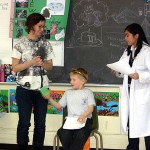
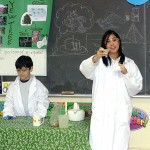
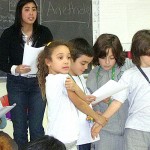
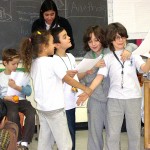
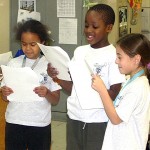
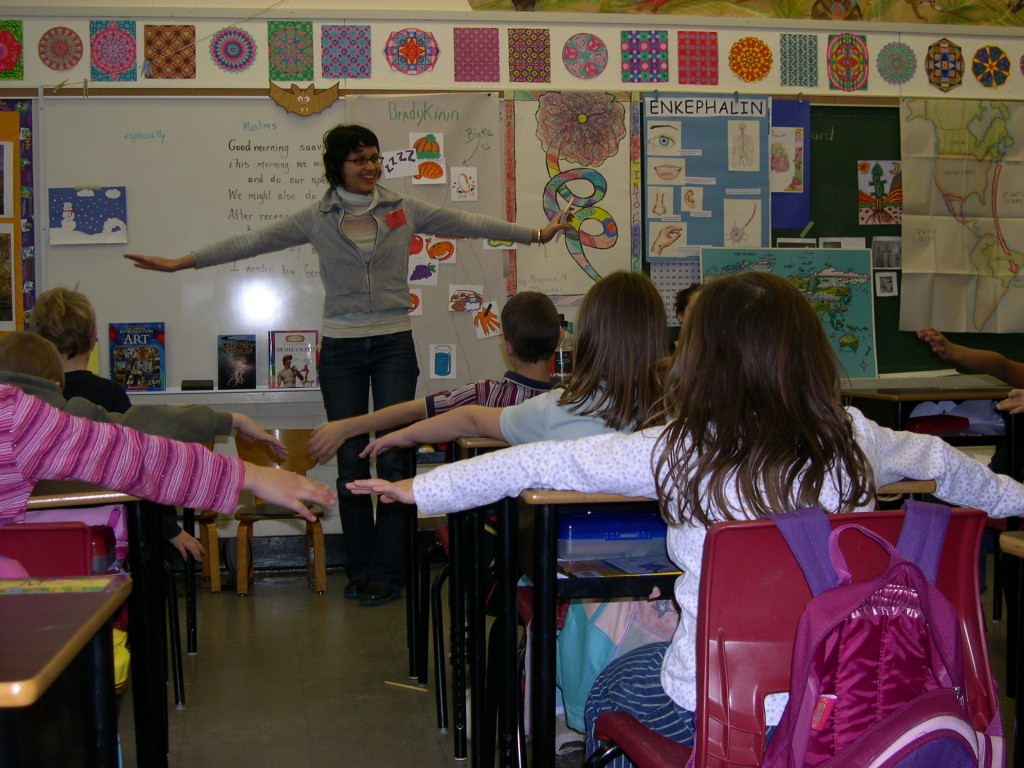
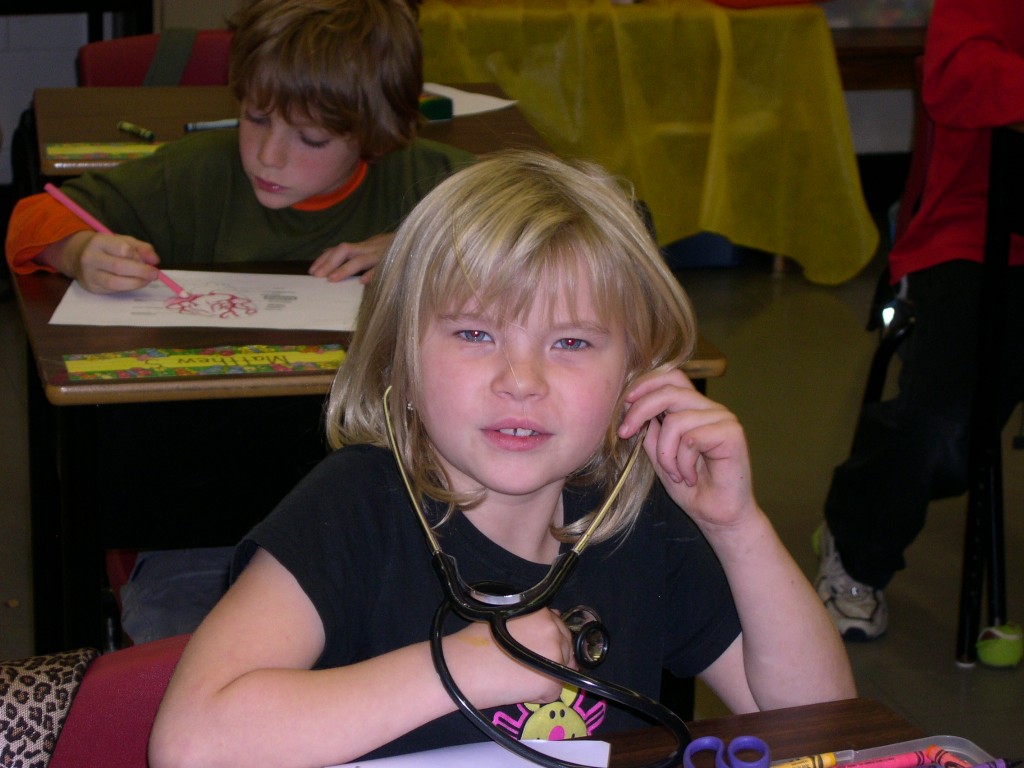
Starting by pretending to have sore throats and stomach aches, Elisabeth and Nina sparked a discussion on what kinds of treatments the students use when they are feeling such ailments. They then described how tea from the anise plant contains anethol which has been shown to relieve sore throat and aching stomach conditions. The students were given samples of anise seeds and asked to describe their smell. Subsequently, they were refreshed on the issues of laboratory safety, and aided by a volunteer, Elisabeth performed an extraction of anise seeds with hot water, a technique with which the students had now considerable experience. Passing the tea around, the students recognized the smell of licorice which derives its taste from anise. Nina then discussed other facts about anise and anethol, such as their use to poison pigeons and the fabled use of an anise seed under your pillow to prevent nightmares. Eventually, the discussion turned to the use of anise to relieve oneself of flatulence, a useful term for the students to describe something for which their vocabulary may have been deficient. To refresh these concepts, the students performed “Anethol” the play.

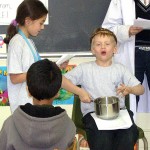
Scene one, the king of ancient Egypt awakes feeling hungry, complains about the strange flowers of anise that he does not like in his garden and demands his cooks to make him something to eat. The cooks, who are inspired by an evil talking pigeon, prepare the king bean chili, which the King eats in Scene two, resulting in his suffering of a bout of flatulence. In Act two, the doctors are unsuccessful in ridding the king of his flatulence using different remedies, yet suggest that the king summon Anethol, who knows the ways of the herbs and who holds the secret for relieving flatulence. Anethol who is brought in as a prisoner refuses to aid the king until he is calmed by the doctors and consents by telling the king to gather up the seeds of the plants that he detests and prepares a tea from the anise seeds. The king is relieved, names the plant Anise a royal treasure and the tea Anethol in honor of his new advisor and healer “Anethol”. All but the pigeon lived happily ever after.

Although not quite ready for Broadway, the play was a great success and well loved by the performers and audience, who profusely thanked Team Anethol and cheered for more MLPs next semester.


 

Sun

October 11, 2011 in Space

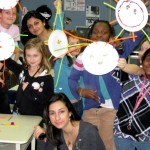
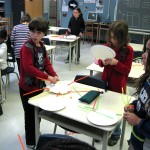
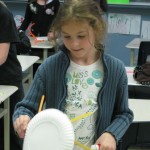
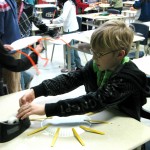
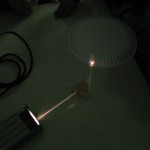
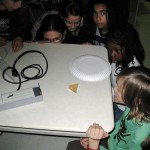
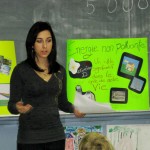
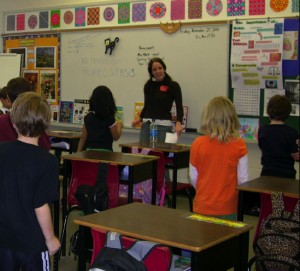
The brilliance of the sun illuminated the minds of Ms Breton’s 3rd grade class at École FACE School on Wednesday the 2nd of December, 2009, thanks to MoL Team Sun Science, Raja Tahan (BSc Biochemistry student, U Montréal) and Tanya Khawam (BSc Biochemistry student, U Montréal). Because the sun is such a large topic, with a diameter of about 1,392,000 kilometres (865,000 mi, about 109 Earths!), Raja and Tanya prepared four posters and lectured and responded to many, many questions about the sun as an energy source, the composition of the sun, the spectroscopy of sun light and general information about the sun. The 3rd graders had already a good understanding of the usefulness of solar energy which some had already seen harnessed to power calculators. They recognized that the sun is an important source of energy on earth needed for plants to grow and make food by photosynthesis. Raja explained that the sun is made mostly of superheated hydrogen gas particles, which collide at the center of the sun, under the intense pressure from gravity, and undergo nuclear fusion producing helium atoms and tremendous amounts of heat and radiation. Tanya discussed how the four seasons and their length depend on the elliptical orbit of the earth, which moves on a tilted axis to its orbital plane around the sun, such that different amounts of sunlight are received at different parts of the planet during the different times of year. The rainbow spectrum of sunlight, which is sometimes seen after a rain storm was mimicked using a prism to diffract a band of white light from a ray box. Like the rain water, the glass of the prism can change the speed of light, which may be refracted at different angles, such that light of different energy leaves the prism as different colors, creating the rainbow effect. Filled with sun energy radiating in a rainbow of colors and given craft materials, the students exhibited their own brilliance and created portraits of the sun. All thanked MoL Team Sun Science for shining their way.

For a visual perspective on size of the sun relative to other planets and stars, see: http://www.rense.com/general72/size.htm
For some educational videos (in English) about the Sun see: http://www.neok12.com/Sun.htm
For Sun basics: http://www.ducksters.com/science/sun.php
For NASA’s view of the Sun: http://nasascience.nasa.gov/kids/kids-sun

Raja and Tanya leading a brilliant discussion about the sun.


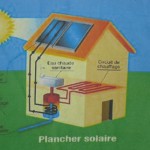
Some uses of solar power.
Replying to questions on the Sun.
Observing the prism diffract white light dispersing it into a rainbow of color.
Crafting our own portraits of the sun.
Letting the MoL Sun shine all over.

Motilin

October 10, 2011 in Peptide

The Molecules of Life Project flows creatively with Motilin.

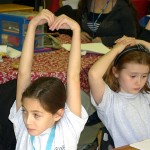
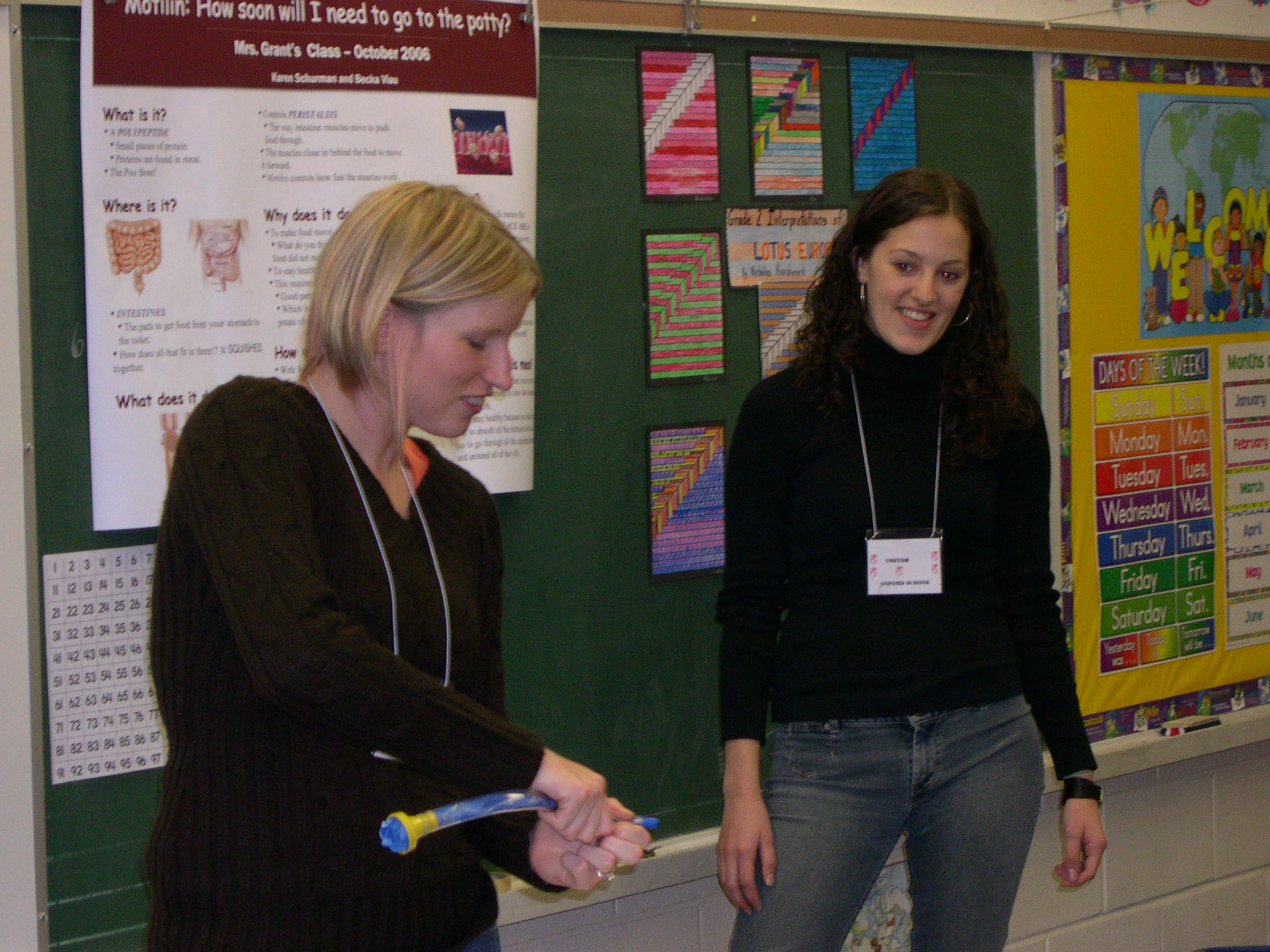
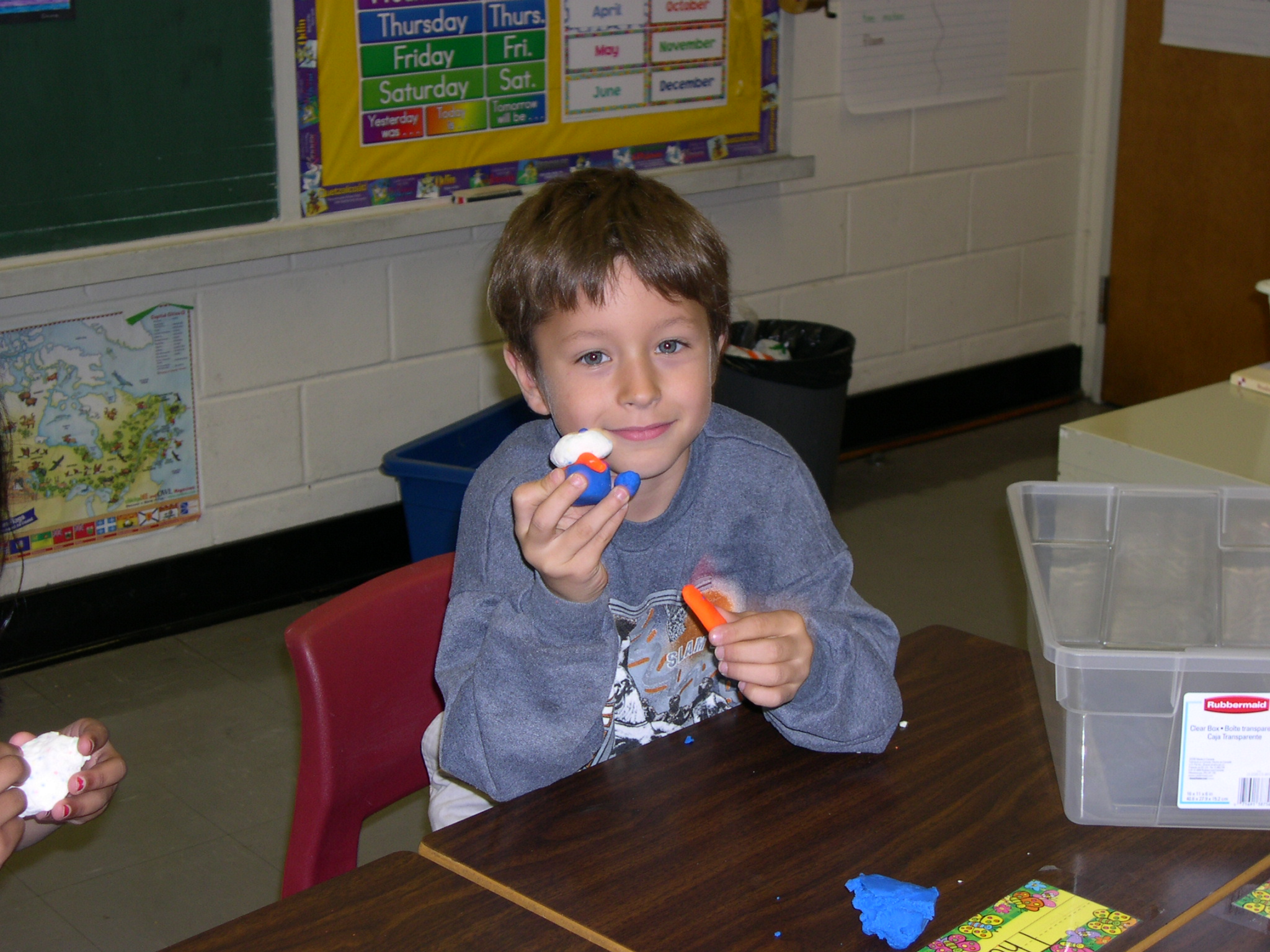
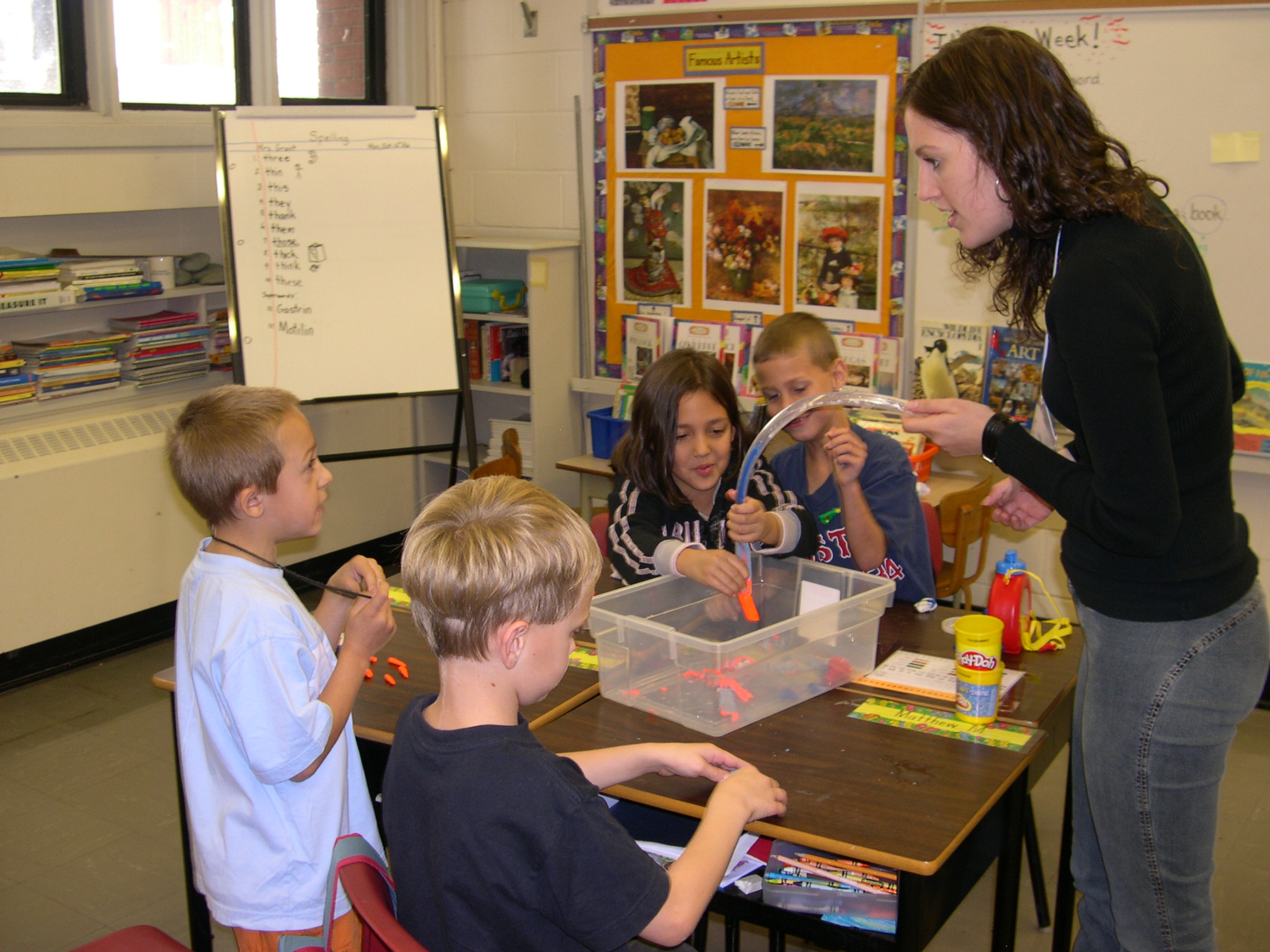
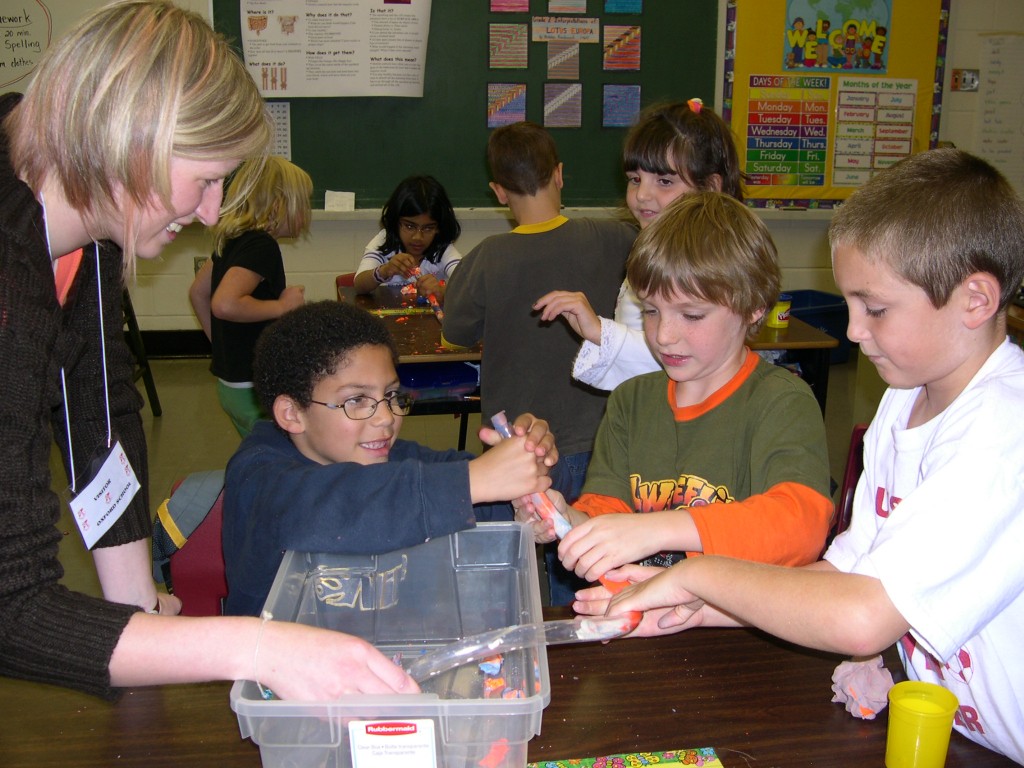
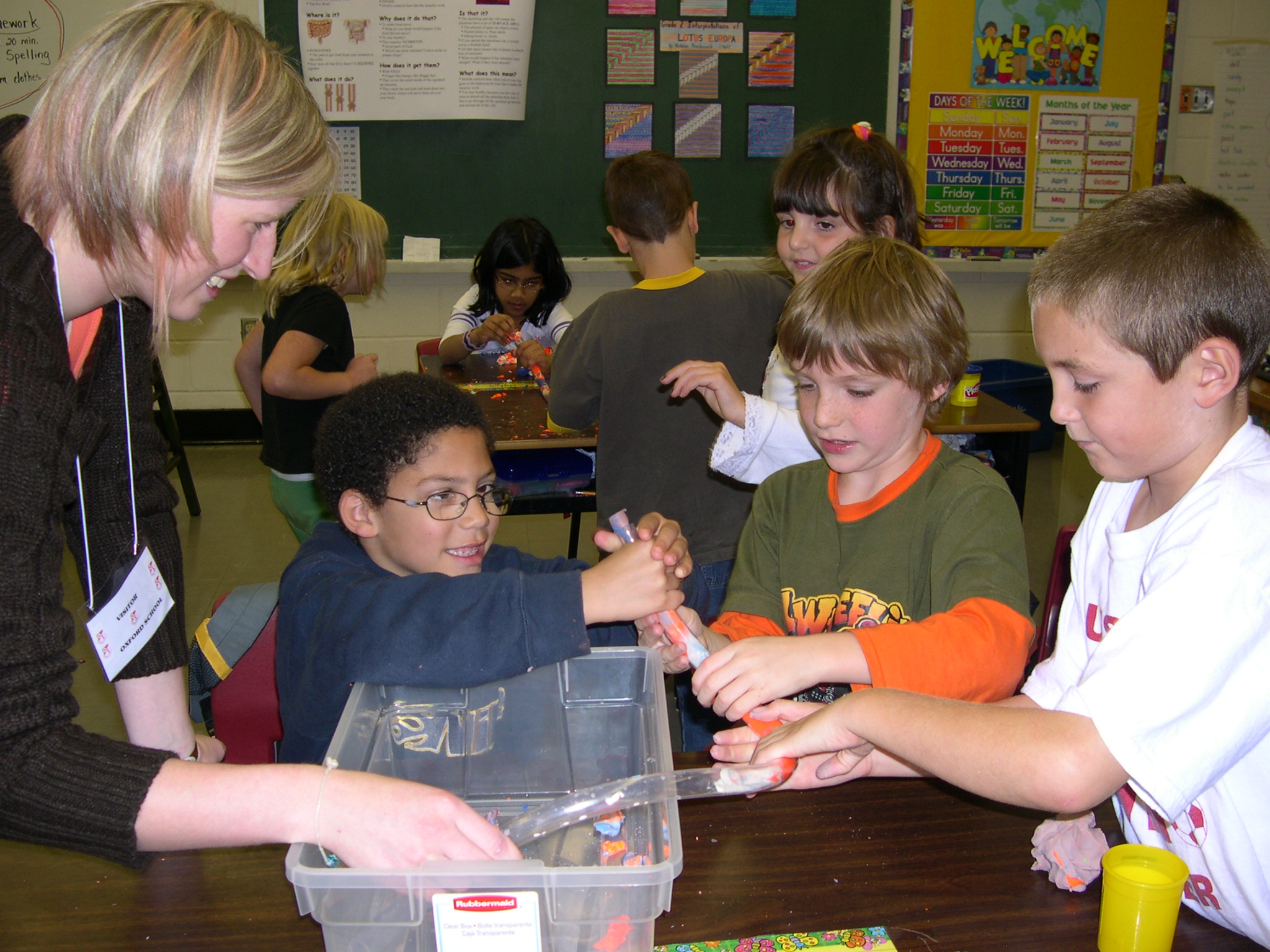
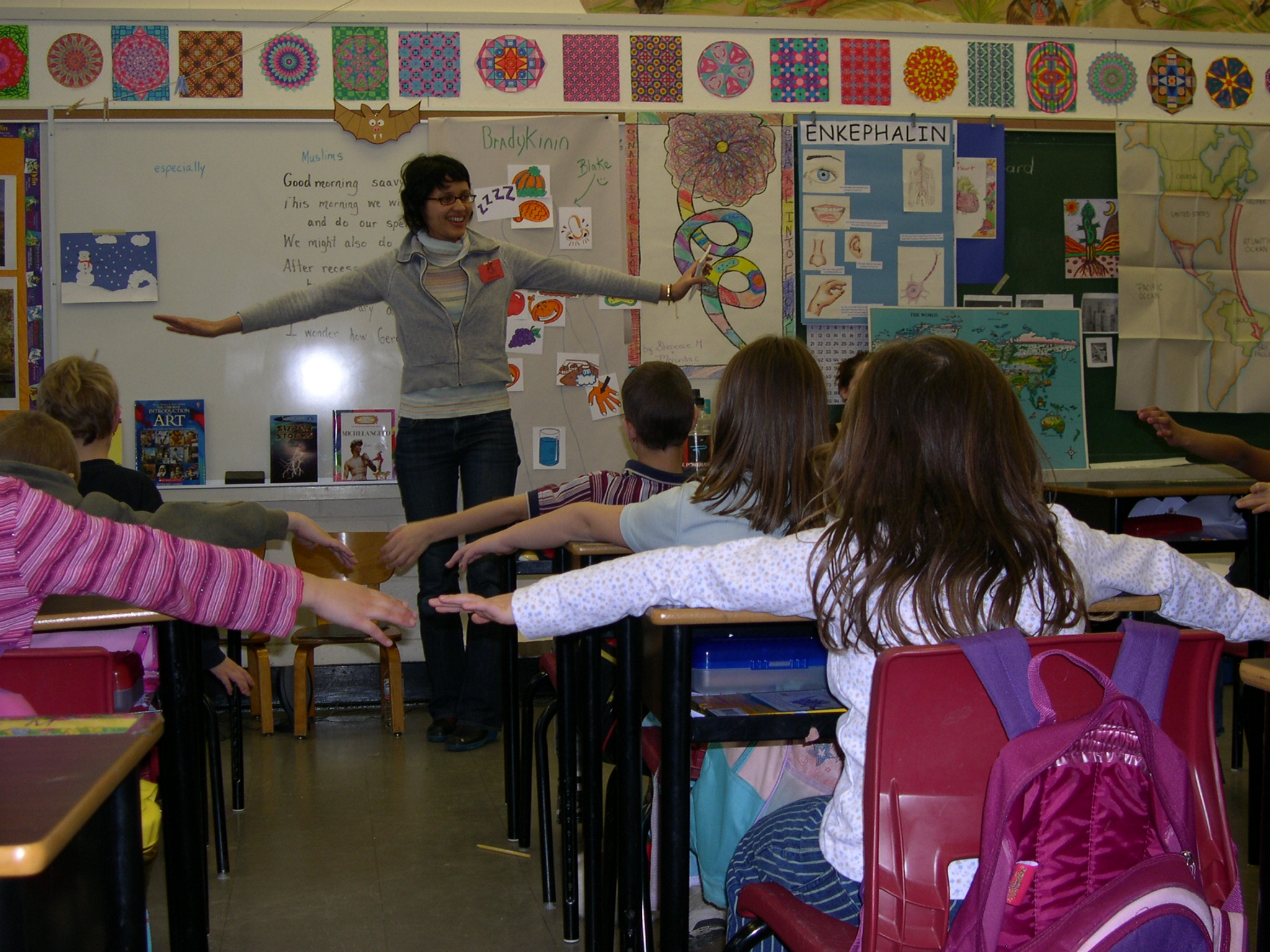
Monday, the 15th October in Mrs Grant’s second grade class at Oxford Elementary School, thanks to the Motilin Maidens, Becka Viau (BA, NSCAD) and Karen Schurman (BSc SMU), all eyes were drawn into the intestine as hands squeezed mimicking the peristalsis motion of the digestive tube.   Karen described how the peptide motilin controls the speed of food flowing through the intestines, as Becka presented the process of peristalsis squeezing clay through clear tubing.  Making their favorite nutritious foods out of clay and then passing them through their model digestive tubes, working in teams the students were absorbed as they acted like motilin and controlled the flow of their clay food through their intestine models.  All had great fun, as we learned more about digestion studying the importance of absorbing nutrients and discovering the hair-like protrusions into the intestine called villi, which help bring nutrients into the body.  WIth ten more peptides to go, MLP thanked team Motilin for a fabulous flow of creative MLP thought at Oxford.

Becka Viau (BA, NSCAD) and Karen Schurman (BSc SMU) presenting the intestine model

Making nutritious foods

That peristalsis feeling


The power of motilin